

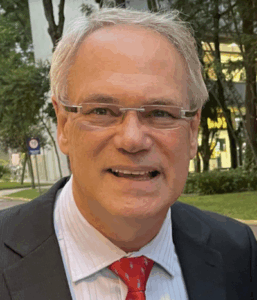
Informações do médico
Currículo :
– Graduação em Medicina pela Pontifícia Universidade Católica do Rio Grande do Sul (1988)
– Mechanism of Diseases University of Miami (1989)
– Médico com especialidade em Neurocirurgia e Neurologia (Residência Médica de 1990 a 1994)
– Freie Universität Berlin, MM7 Neurosurgery (1995)
– Fellow Neurocirurgia na Uniklinik, Universitäd Mainz (1997)
– Titulo de Mestrado em Neurocirurgia pela Escola Paulista de Medicina – Universidade Federal de São Paulo – UNIFESP (2012)
– Post-graduate Course / Title in Pediatric Neurosurgery from ISPN (2004, 2005, 2006)
– Título de doutorado em Ciências Médicas na Universidade Federal do Rio Grande do Sul – UFRGS (2019)
– Membro Efetivo da IFNE (INTERNATIONAL FEDERATION OF NEUROENDOSCOPY) desde 2010
– Secretário eleito do GLEN – Grupo Latinoamericano de Estudios en Neuroendoscopía – Biênio – 2017 – 2018
– Preceptor da Residência Médica em Neurocirurgia / MEC DE 2011a 2013, no Hospital Pompéia – Caxias do Sul, RS
– Médico do Corpo Clínico dos hospitais: Hospital Moinhos de Vento (1995), Hospital da Criança Santo Antônio – Santa Casa de Porto Alegre (2006), Hospital Universitário da Ulbra (1994) e Hospital Pompéia – Caxias do Sul / RS (2011)
– Credenciado do Hospital Divina Providência (1993), Hospital Regina de Novo Hamburgo (1989), Hospital Ernesto Dornelles (1996) e Hospital Mãe de Deus (1995)
– Áreas de interesse – Neurocirurgia Pediátrica, Neuro-oncologia, Neuro-endoscopia, Cirurgia Minimamente Invasiva e Cirurgia da Epilepsia
– Em elaboração – Estratégia Brasileira de Inteligência Artificial, para o Ministério de Ciência, Tecnologia, Informação e Comunicação – MCTIC / Unesco, 2019 a 2020
Meningiomas
These are tumors that occur in the meninges (the layers of the brain), which are largely benign, but in certain locations require more immediate removal.
Glioma Glioblastoma Astrocitoma Malignant neoplasms of the central nervous system
Malignant tumors of the central nervous system that can be located in the brain or spinal cord and require surgical intervention supported by chemotherapy and radiotherapy treatment.
Brain and spinal cord metastasis
These are tumorous lesions that originate in other organs of the body, they can metastasize and spread to the central nervous system (brain and spinal cord). They can originate from the breasts, lungs, liver, prostate, hematologic organs, among others.
Hydrocephalus
The fluid that surrounds the brain can be present in various forms of fluid accumulation inside the cranial cavity. This accumulation causes an acute and even insidious increase in intracranial pressure. There are different forms of congenital hydrocephalu, or caused by tumors, malformations of the central nervous system (CNS), or other abnormalitie Another form is caused by the aging of the cerebrospinal fluid reabsorptior system(normal presure hydrocephalus).
Galeria de Fotos
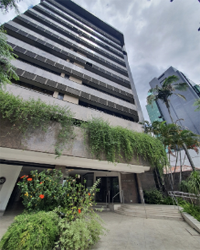
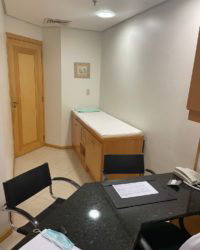

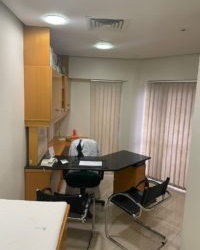
Escute meus podcasts no Café com Médico no Spotify.
Texto.




Localização
Endereço : Rua Padre Chagas, 185 – Sala 908
Telefone : (51) 3395-1099
Dr Carlos Brusius Neurosurgeon in Porto Alegre
Dr Carlos Brusius
Meningiomas
These are tumors that occur in the meninges (the layers of the brain), which are largely benign, but in certain locations require more immediate removal.
Glioma Glioblastoma Astrocitoma Malignant neoplasms of the central nervous system
Malignant tumors of the central nervous system that can be located in the brain or spinal cord and require surgical intervention supported by chemotherapy and radiotherapy treatment.
Brain and spinal cord metastasis
These are tumorous lesions that originate in other organs of the body, they can metastasize and spread to the central nervous system (brain and spinal cord). They can originate from the breasts, lungs, liver, prostate, hematologic organs, among others.
Hydrocephalus
The fluid that surrounds the brain can be present in various forms of fluid accumulation inside the cranial cavity. This accumulation causes an acute and even insidious increase in intracranial pressure. There are different forms of congenital hydrocephalu, or caused by tumors, malformations of the central nervous system (CNS), or other abnormalitie Another form is caused by the aging of the cerebrospinal fluid reabsorptior system(normal presure hydrocephalus).